




North Shore Restorative & Implant Dentistry
Seeking Whiter Teeth? Not So Fast!
 “Can’t I just whiten my teeth at home?” Read on to learn why it’s important for teeth whitening to be prescribed and performed by a professional.
We’ve all seen them, those bulky little boxes of whitening strips and gel potions, calling our name out from the aisles as we casually pick up a fresh tube of toothpaste. I would even bet that more than a few of you have left the store clutching that box, hoping that the $50 will be worth it. After all, you don’t know much about how to use them properly or what chemicals are involved. The most common side effects of at home whitening are: tooth sensitivity and gum sensitivity. There are a few things that should be considered prior to using at-home bleaching treatments.
Heading into the office for a check-up should always be your first step when reaching for a whiter smile. A dental professional can help you establish whether your mouth is healthy enough to withstand a bleaching treatment. If deep cavities are present, the bleach can have a straight shot to the blood vessels present in your teeth. The bleach can also gain access to the nerve and bone at the root of the tooth through a deep cavity. Just as you should not start any diet or exercise regimen without getting checked out by a physician, you should also take the same precaution with teeth enhancing treatments. When a dental professional performs a whitening treatment, the gum area is protected at application. Another great reason to opt for in-office whitening is that the professional products used by dentists contain only high quality ingredients that are gentler on your teeth!
A whiter, brighter smile gives the impression of youth. We perceive a white, bright smile as a healthy smile. Save yourself the sensitivity and see us today!
Dieting and Dental Health
 Giving up processed foods and artificial sugars is a great way to improve our overall health, but sometimes our “healthy” habits can actually deprive us of vital nutrients. Internal health is an important factor when it comes to oral hygiene, and cutting meat, dairy products or sugars out of your diet could lead to serious conditions such as gum disease if you don’t find the right substitutes. Keep reading for a list of nutrients you might be missing and some tips for balancing your diet with your oral health!
Zinc in saliva and enamel prevents the buildup of bacteria, which eventually turns to tartar or calculus. It is essential to preventing cavities and even gum disease (periodontitis). If you notice a metallic taste in your mouth, zinc deficiency may be to blame, as it causes a buildup of bacteria in the mouth.
- Zinc-rich foods: Seafood, lean meats, dairy products
- Alternatives: chickpeas, cashews, almonds
Gum swelling or bleeding may be a sign of Vitamin C deficiency. Vitamin C is necessary for collagen production, which is an essential part of the connective tissue in the gums surrounding the teeth.
- Vitamin C-rich foods: citrus fruits
- Alternatives: Bell peppers, tomatoes, sweet potatoes
A lack of calcium weakens the gums, and people who don’t eat animal and dairy products may be increasing their risk of periodontal disease. Calcium prevents bone degeneration, keeping the jaw strong and healthy so bacteria doesn’t destroy the bone that supports the teeth.
- Calcium-rich foods: dairy products
- Alternatives: chickpeas, broccoli, collard greens, oranges
Vitamin D works with calcium to promote strong bones. It increases calcium absorption, preventing tooth loss and jaw bone degeneration.
- Vitamin D-rich foods: Fatty fish, egg yolk
- Alternatives: mushrooms, tofu, dairy alternatives (i.e. soy milk)
If you notice a burning sensation in your mouth, specifically on your tongue, or frequent canker sores you may be suffering from iron deficiency. Iron deficiency leads to reduced red blood cells and decreased oxygen flow.
- Iron-rich foods: Red meat, poultry, seafood
- Alternatives: dried fruits, beans, dark leafy greens
Finding a solution to your symptoms may be as simple as picking up a few extra ingredients at your local supermarket! Adding some of these nutrient rich foods to your diet can help you get back on track with your oral health and wow us next time you visit our office!
6 Reasons for Considering Dental Implants
 Loss of permanent teeth is more common than you’d think. The average adult age 20-34 is missing 1 permanent tooth, the average adult age 35-49 is missing 3 permanent teeth, and the average adult over the age of 50 is missing 6 permanent teeth! There are a variety of different tooth replacement options, but we believe that dental implants offer the most success, with the best aesthetics and functionality. Take a look at just a few of the many benefits of dental implants!
- Long-lasting. Dental implants are designed to be the permanent solution for missing teeth. Dental bridges last 5-10 years and crowns last 10-15 years, but dental implants can last 20 years, even a lifetime with proper dental care, making them a cost-efficient alternative to other modes of tooth replacement.
- No cavities. Because they are made of titanium, dental implants are not subject to decay. They also don’t put stress on other teeth, which helps avoid tooth erosion.
- Like natural teeth. Dental implants are natural-looking and fully functional. Unlike dentures, which are bulky and removable, cause sores and require the application of adhesive, dental implants are comfortable, permanent fixtures that don’t interfere with eating or speaking. And, because pressure is applied to the jaw bone when you bite down on dental implants, chewing with dental implants doesn’t feel any different from chewing with your natural teeth.
- Preserve jaw bone. Without a tooth to support, the jaw bone begins to atrophy, and this bone degradation makes the replacement of missing teeth nearly impossible without the help of jaw regenerative procedures such as bone grafting.
- Appearance. Your teeth play an important role in supporting your facial structure. Missing teeth can cause your features to sag and your face to lose shape, which tends to have an aging effect. Replacing missing teeth works wonders for improving your appearance and helping you look younger.
- Tooth stability. When you’re missing a tooth, your surrounding teeth are no longer stabilized and they start to shift out of position. Dental implants secure teeth in place and, as a result, prevent severe problems such as periodontal disease and further tooth loss.
Schedule a consultation with us if you’re ready to transform your smile!
Vaping: Is It Harmless?
 You may have noticed a shift in the smoking world over the past few years. Smokers have been seemingly taking a step in the right direction. Smokers are transitioning away from the traditional cigarette to the e-cigarette, this act is also known as: vaping. Transitioning to an e-cigarette from a chemical-filled cigarette that decades of research have proven is deadly seems like a good thing, right? Think again. There are many people venturing into the world of e-cigarettes blindly. While e-cigarette advertisements and companies are currently unregulated, we wanted to uncover a few potential dangers of this popular fad.
The e-cigarette anatomy consists of a battery, a heating element and a cartridge that holds the nicotine, liquid and flavoring. If anyone has tried to convince you that e-cigarettes are not addictive, they’re wrong. Nicotine is highly addictive, and while many teens and young adults believe that vaping is harmless, nicotine is known to negatively affect brain development in this age group. The act of holding an e-cigarette and the presence of nicotine has indicated that it could be a very strong gateway to smoking real cigarettes for these young adults. That correlation has big tobacco firms excited for the future. Tobacco companies have been severely restricted in their advertising campaigns. In the recent past, they were forced to rely on the ‘cool-factor’ of smoking, something they hoped that celebrities and young adult’s peers would embody. E-cigarettes present a gateway to becoming addicted to the real thing. This is just what tobacco companies had been hoping for! Speaking of advertising, while tobacco companies are highly restricted in their advertising campaigns, no one is regulating e-cigarette companies. In fact, these companies can make any claims they wish. With regard to the manufacturing aspect of the e-cigarettes and their cartridges, there is also no regulating body that creates standards for the products.
We have talked about the anatomy of the actual e-cigarette, but what makes up the vapor that is exhaled by the smoker? The cloud that you see consists of aerosol, nicotine, propylene glycol, flavoring and fine particles. The hotter the body of the e-cigarette gets, the more harmful the chemicals contained in them becomes. This means that the deadly carcinogens present in a traditional cigarette are also present in their electronic counterpart.
Research is currently underway to determine the long-term effects of vaping. While current research indicates that an e-cigarette is safer than smoking an actual cigarette, research also proves that e-cigarettes are far from harmless. If you are looking to improve your mouth and lung health, experts agree that quitting smoking devices altogether is still the only 100% risk-free option available.
Dental Implants: What’s All the Hype?
 These days, we all know someone who has a dental implant, and you have probably heard us champion these teeth substitutes, as they become more and more the common cure for missing teeth!
But why?
We think that’s a valid question and it deserves a good answer!
Bone Loss
Any oral health professional will tell you that living with a missing tooth can have negative consequences that go well below the gum line. The problem doesn’t stop at the single tooth that goes missing. The jawbone also suffers. When there is not a tooth set in the jawbone offering regular stimulation, you lose bone mass in that area. That loss of jawbone contributes to a decline in facial aesthetics as the jaw shrinks away. The loss of jawbone also means that when you do have an implant later in life, you will likely require extensive bone grafting prior to the implant procedure. Traditional tooth “replacement” methods such as dentures and bridges do not solve the problem of bone loss.
In contrast, dental implants eliminate these problems and encourage a healthy, strong and adequate jaw by integrating with it (also known as: osseointegration). The implant then provides regular stimulation (as you chew food), and keeps the jawbone in proper health.
Lifestyle and Diet
Most people with dentures report that in addition to living in fear of their dentures falling out in social settings, they also must live with a restricted diet, unable to enjoy the foods that they previously ate. This same restricted diet goes for those with wobbly bridges and crowns as well. More often than not, those restricted foods are some of the healthiest ones, such as crunchy, fibrous fruits and vegetables.
Dental implants look and feel nearly identical to your regular teeth, and are second only to your natural teeth when it comes to form and function. Dental implants allow you to eat and live freely with a healthy diet and without fear. In addition to that, dental implants have a 98% success rate and can often last you for a lifetime!
Can My Dental Implants Get Cavities? And other common questions…
 In my practice, I hear dozens of questions every day about dental implants from concerned (or simply curious) patients. Every one of those questions is a good question and I always try to provide an equally good answer. To help you better understand an upcoming dental implant procedure, we’ve compiled a top-five list of the most common questions about dental implants that we field in our office every day:
- Can dental implants get cavities?
No. Because the implant-restored crown is an artificial (not natural) material, it cannot grow cavities, phew! However, you still need to have regular gum care and cleanings around the implant site just like you would for a natural tooth.
- Can implants slip or fall out like dentures?
No. The artificial tooth (crown) is attached to the permanent titanium post that is set in the jaw. They will not slip around or fall out like you may have experienced with dentures.
- Can I sleep with my dental implants in?
Yes! They are practically “permanent”, unlike dentures. You do not need to remove and soak them overnight.
- Aren’t dental implants more expensive than bridges and dentures?
It depends. If you are talking about just a few teeth, implants may be cheaper over time than bridges because they last longer. However, if you need a whole row of teeth replaced, dentures may be a less expensive option for you. Each case is unique, however, so be sure to call us for a proper consultation. We are here to help you understand your costs and benefits so that you can make an informed decision.
- How long will my dental implants last?
If implanted and cared for properly, dental implants can last for many decades or possibly even a lifetime. Some implants have been in patients for over forty years!
Don’t see your question on our list? Contact us today for quick answers!
Are You a Good Candidate for Dental Implants?
 It’s estimated that 125 million Americans are missing at least one tooth. If you are one of them, you may be considering dental implants for tooth replacement. We think it’s important for you to know what factors make a person a good candidate for such a procedure. Here are a few things to consider.
Most People Are Good Candidates. Dental implants can replace one, several, or all of your teeth. They can be used in place of bridges or dentures. Good candidates have healthy gums and are old enough so that their jawbone has stopped growing. You should also have enough bone to support and anchor the implants. Even if you have lost bone in your jaw, however, you may still be a good candidate for implants. In fact, dental implants may be recommended to prevent further bone loss. In these situations, bone can actually be rebuilt with grafting procedures as part of the implant process.
Evaluation. Successful implantation starts with a thorough evaluation of your jaw, teeth, mouth and overall health. You will receive a mouth X-ray and possibly a Computed Tomography (CT) scan. This will help us identify areas of bone loss and carefully see the shape of your sinuses and nerve location to make accurate assessments for your treatment. We will also do a thorough medical evaluation, as your overall health and history plays a big role in how well your implant will heal and fuse to the bone.
People At Risk of Poor Outcomes. Uncontrolled diabetes, cancer, radiation to the jaws, smoking, alcoholism, or uncontrolled gum disease are all risk factors that can adversely affect your outcome. You may still be a good candidate with one of these diseases, but we’ll want to thoroughly assess your situation and work with you and your doctor to increase your overall health and functioning. People who take certain medications, such as steroids or drugs that suppress the immune system may not be suitable candidates, either. And people with certain habits, such as people who severely grind or clench their teeth may put too much pressure on the implants, causing long term damage.
Overall, dental implants have a very high rate of success and patients tell us how happy they are with the outcome. If you are considering implants, we can complete a careful examination to determine what options are best suited for you. Call us today to make that appointment!
Do Genetics Play a Role in the Overall Health of Teeth?
 Have you ever wondered if genetics affect the health of your teeth and gums? While genetics is a relatively new field of study, scientists and medical researchers are learning more about how our DNA affects our overall wellbeing including our dental health.
Although we currently lack a total understanding of genetics, we do know that hereditary factors do influence oral health. For example, genetics seem to influence a patient’s risk for developing gum disease as well as the amount and placement of teeth. Another example of hereditary factors influencing oral health is the presence of wisdom teeth. Some patients have no wisdom teeth while others may have only two or three. Even though our genes can affect our health, patients can take charge of their wellbeing by committing to proper oral hygiene, visiting the best dentist in their area, and eating a diet low in sugar.
If certain conditions run in my family, should I tell my dentist?
Yes. You should discuss your family medical history as well as your own with our team – especially if your family has a history of periodontal (gum) disease, diabetes, or oral cancer. We also welcome you to discuss your current medication regimen (including over the counter drugs and supplements) with our staff. Some common medications such as anti-histamines or anti-depressants can cause dry mouth. Patients with dry mouth tend to have a higher risk for periodontal disease and tooth decay.
What can I do to preserve my oral health?
One of the most important things you can do to preserve your oral health is to adopt a proper oral hygiene regimen that includes twice-daily brushing and flossing. Brushing and flossing helps clean teeth and reduce the presence of harmful oral bacteria in the mouth. You should also receive at least two professional cleanings and examinations a year. Regular visits to our practice will allow us the opportunity to catch potential problems as soon as possible. Additionally, we encourage patients to eat diets low in sugar and acid to help prevent tooth decay and enamel damage.
We offer comprehensive general and restorative dentistry. Call North Shore Restorative & Implant Dentistry at 516-484-6394 today to reserve an appointment.
Eliminate Tough Dental Stains with Teeth Whitening
 Stains on your teeth can seriously detract from your smile, but with today’s teeth whitening treatments, patients can come away with teeth that are 8-10 shades whiter. Depending on the particular treatment method, those results can be achieved within an hour, as well.
When you work with a cosmetic dentist who offers ZOOM! chairside whitening, you can get remarkably rapid results from your teeth whitening treatment.
As with all teeth whitening treatments, the foundation of this method is a gel that contains a bleaching agent designed to eradicate stains from the enamel. With ZOOM!, the gel is activated by a laser that helps the bleaching agent take effect more quickly. This treatment usually requires patients to spend about an hour in the cosmetic dentist’s office.
Depending on your needs and your budget, your cosmetic dentist may also suggest an at-home treatment. This is a convenient method where patients wear the bleaching gel in a custom-crafted tray designed to meet their unique dental structure.
Those trays are typically worn for a specified amount of time, and at the patient’s convenience so they do not interfere with the daily routine at all. Patients do have to wait for a longer period of time—at least a few days—before results become visible with this treatment method.
Although some teeth whitening methods are available over-the-counter, they tend to be less effective than those that you receive from a dentist.
All teeth whitening treatments, whether they are administered in the dental office or the patient’s home, will require periodic touch-ups to maintain the results. You may be able to extend the time period between those sessions by making certain adjustments to your routine, like limiting your consumption of foods and beverages that can stain the teeth and quitting smoking if you partake in that habit.
If you want to rid your smile of stains that are plaguing your teeth, talk to our dental team at North Shore Restorative & Implant Dentistry about whitening treatments to enhance your smile’s aesthetics.
Why is porcelain an ideal material to use for veneers?
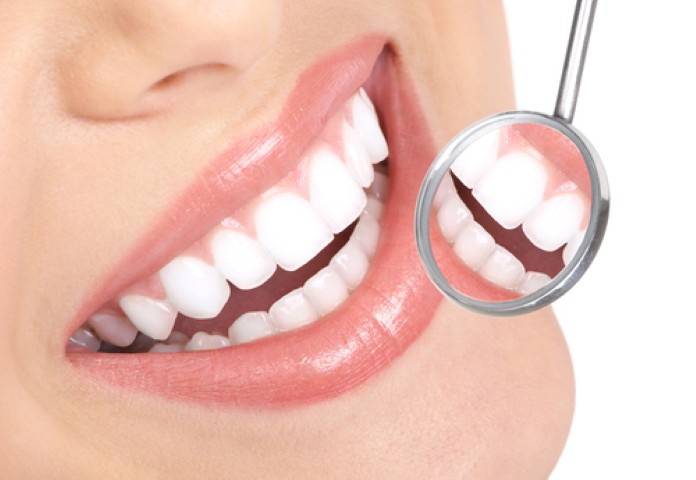 People tend to associate porcelain with being fragile. However, when porcelain is used in dental veneers, the material is actually quite strong when bonded to the tooth. In fact, porcelain veneers can last for up to a decade when patients take good care of them.
Porcelain veneers are thin, tooth-shaped shells that are bonded atop natural teeth to improve their appearance. These veneers are tremendously versatile and can be used to cover up a number of aesthetic flaws, including chips, cracks and stains. Veneers can also create the illusion of proper alignment in a crooked tooth or teeth or fill in gaps between teeth.
Not only is porcelain strong, it shares many optical characteristics of tooth enamel, reflecting light quite similarly to a natural tooth. This quality of porcelain veneers gives them a lifelike appearance.
Patients who are seeking porcelain veneers can work with a cosmetic dentist to achieve their smile goals. The treatment process begins with an initial consultation in which the dentist will ask the patient about his or her goals. The dentist will examine the patient’s teeth and determine which restoration is the most appropriate for the desired treatment outcomes.
If you decide to pursue porcelain veneers, the cosmetic dentist will then collect the information needed to dictate the design of the devices. This will include data on the shade and shape of the teeth.
Depending on the thickness of the veneer, the tooth may need to be prepared in advance. In this process, a thin layer of enamel will be removed from the tooth to make room for the veneer. When the veneer is ready, the dentist will make any necessary further adjustments to the veneers before bonding them to the teeth.
Veneers can improve your smile’s appearance in a number of ways, and the devices are durable, as well. Contact the office of Dr. David Gardner today to learn more about porcelain veneers and whether they can enhance your smile.