




North Shore Restorative & Implant Dentistry
Dental Implant Recovery
Dental implants, titanium posts that are placed within your jawbone, are an excellent option for restoring missing teeth. The process of getting dental implants typically takes a few appointments over the span 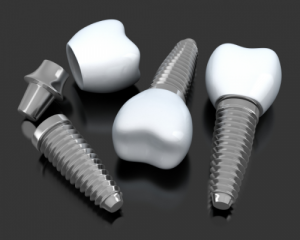 of several months, and since the strength of dental implants comes from their fusion with the jawbone, proper healing from this surgery is absolutely essential. Here are some tips for a speedy and well-healed recovery!
Prepare
One of the best ways to promote a speedy recovery is to properly prepare for dental implant placement. Get ready for your procedure by:
● Getting plenty of sleep
● Avoiding smoking or drinking excessively
● Maintain your oral health! Brush twice a day and floss once a day!
● Arrange for someone to drive you to and from your procedure
● Plan to take some time off work so you can really focus on resting and recovering
● Pick up post-surgical prescriptions, gauze, cold compresses, and any other supplies
● Ask for a recovery timeline
Getting ready before your dental implant surgery can make a huge difference in the recovery afterwards!
Recovery Time Factors
Recovery time for the dental implants procedure depends on several factors. While each patient’s case is slightly different, these following factors are the main contributors to healing time:
● The number of implants: Having a single implant may take less recovery time than multiple implant placement.
● Whether or not you require preparatory procedures such as bone grafting
● Your oral and overall health: the healthier you are, the easier it will be for you to heal quickly.
Your oral surgeon will explain your unique estimated recovery time based on these and other factors at your initial consultation.
After Your Surgery
After the procedure, the healing process can be sped up through:
● Biting down on gauze to staunch the bleeding
● Avoiding any activity that could put pressure on your mouth
● Taking proper prescribed medication
● Eating soft foods and avoiding chewing near the treatment area
● Rinsing your mouth with warm saltwater between meals
● Using a cold compress to reduce swelling
● Gently retaining oral health routines like brushing and flossing
Following these guidelines, you will be able to heal comfortably and successfully!
To learn more about this treatment, or schedule a consultation, call (516) 484-6394 and come see us at North Shore Restorative & Implant Dentistry today!
10 Tips to Prevent Gum Disease
Gum disease can be serious business if left untreated. The good news is, with regular maintenance and good oral hygiene, you can avoid and even reverse the early stages of gum disease. We’ve put together some tips for you that will help you prevent gum disease.

Maintaining a Clean Mouth
Brushing your gums, as well as your teeth after every meal is the best way to take care of your teeth. Remove those food particles without being too hard on your enamel. We can show you the best method at your next appointment.
Dental floss can reach those spaces in your mouth that a tooth brush just can’t get to. Get in between your teeth with floss before you brush, so that any food you pull out can be picked up by your tooth brush.
While you shouldn’t rely on mouthwash alone, certain mouthwash products are great for killing bacteria. Consult our office for suggestions as some products are better than others.
Practice Good Overall Health
Keeping a balanced diet keeps your whole body healthy. Staying away from eating too much sugar is a great place to start. Making sure you get all the nutrients you need helps your body fight bacteria, including those that can cause gum disease.
If you are a smoker, quit! Smoking is not just awful for your lungs, smoking leads to tooth decay, tooth loss and poor gum health. Smoking leads to the creation of pockets in your gums, where bacteria collect and form tartar. It also degrades the tissues that hold your teeth in place.
Talk to Your Doctor about your Medications
It may be worth talking with your doctor about the side effects of any medication you may be on. Some drugs lead to bacteria build up in the mouth, or affect the flow of saliva that keeps that bacteria from settling.
Hormones can also play a role in oral health. If you are experiencing hormonal changes, you may be experiencing tooth sensitivity, and promoting the development of gum disease.
Stress
Stress affects your body’s ability to fight infection. Evaluating the stress in your life and what you can do to manage it is a great idea to promote your general health.
Appointments
Regular oral health visits are the best way to pin down gum disease. The professionals at our office are trained to notice the kinds of things you may not see in your mouth.
You may not have considered that your crooked teeth put you at risk for gum disease. Having straight teeth means eliminating certain pockets where gum disease can develop. Braces are a great way to do this.
Contact our office today to set up your next appointment!
High Quality H2O
Whether you’re drinking from a glass that is half-empty or half-full, drinking a glass of water is always beneficial to your health. Human beings are 60% water; so staying hydrated throughout the day is crucial for the hydration of tissue, the distribution of nutrients, and the removal of waste from your body. Not only is drinking water beneficial to your overall health, but your dental health as well!

Here are four reasons why water is the best beverage for your teeth:
1. Water keeps your mouth clean.
Water cleans your mouth with every sip! As your drink, water washes away leftover food and any residual cavity-causing bacteria. Water also reduces the pH of your mouth by diluting the acids produced by bacteria that live in your mouth. Don’t forget to brush your teeth twice a day for two minutes, but drinking water throughout the day will help keep your smile healthy and cavity-free.
2. Water strengthens your teeth.
Drinking water with fluoride, aka “nature’s cavity fighter”, is one of the easiest and most effective ways to fight cavities. While almost all water contains naturally-occurring fluoride, the community water systems that serve most American households adjust the level, usually by adding fluoride to achieve the right amount to reduce tooth decay. Health organizations, like the American Dental Association (ADA), say this is one of the major reasons most people no longer need the dentures that were so common before widespread fluoridation, and studies have shown that it is why dental costs are lower and oral health problems have declined in fluoridated communities!
3. Drinking water fights dry mouth.
Saliva is the human mouth’s first defense against cavities. Saliva helps wash away residual food and coats your teeth in calcium, phosphate, and fluoride. When your mouth doesn’t have enough saliva, you run the risk for tooth decay. When your mouth is feeling dry, drink a glass of water to quench your thirst, and strengthen your teeth!
4. Water is free of calories.
Drinking sugary beverages can create a cavity-prone environment within your mouth, and can lead to weight gain. Studies show that drinking water, eight 8-ounce glasses or 8×8, can help you lose weight.
If you have questions regarding water consumption or your overall dental health, don’t hesitate to call North Shore Restorative & Implant Dentistry at North Shore Restorative & Implant Dentistry Office Phone Number (516) 484-6394 today!
Going Green
Dark Green Vegetables and Dental Health

Everyone is going green, but did you know that “going green” can also benefit your oral health? Your pH levels inside your body can greatly affect your overall health. Too much acid in your system can make various parts of your body inflamed. This may include your gum tissues. Gingivitis (early gum disease) and periodontitis (advanced gum disease) are conditions of infection and inflammation. Aiming to consume a balanced diet with the goal of achieving an acidic-alkaline balance (balanced pH level) has been shown to reduce symptoms of many health conditions. One of the fastest and easiest ways to saturate your body with these nutrients is by consuming green fruits and vegetables. Some great green additions to your diet are spinach and green smoothies:
Spinach & Dark Green Vegetables
Eating dark green veggies, like spinach, can have some great health benefits deeming it a “super food” among nutrition experts! The nutrients found in spinach are a powerful source of cancer-fighting properties, producing a substance that causes prostate cancer cells to self-destruct, and another compound that can prevent the formation of ovarian cancer cells. Spinach promotes cardiovascular health via properties that can lower blood pressure and prevent the oxidation of cholesterol. Evidence shows that juicing dark green vegetables like spinach can improve your dental health, preventing gum disease and cavities!
Green Smoothies
Green smoothie can keep your gums, jawbone, and teeth healthier and stronger! The best part about drinking green smoothies is the taste. If you can get over the color, you will find how delicious a green smoothie can be. Spinach, cucumber, kale, lettuce, and zucchini can be blended with fruit to create a low-calorie, nutrient dense meal replacement that boosts your oral health. A great addition to your green smoothie is yogurt. Yogurt has been shown to strengthen teeth and prevent bad breath, as well as add a creamy consistency to your nutrient-dense smoothie.
If you have questions regarding your dental health, give North Shore Restorative & Implant Dentistry a call at North Shore Restorative & Implant Dentistry Office Phone Number (516) 484-6394 today!
Oral Health and Pregnancy
Pregnancy is an exciting time when your body is going through many changes. You may be wondering how this will affect your teeth and gums. This blog is meant to answer your oral health questions and give you the information you need to help both you and your baby!

Keep Up Your Routine. It is important to keep up your brushing and flossing routine. You may be indulging your cravings for sweets, so make sure you brush regularly. It is important to continue regular check ups and cleanings. Let us know your stage of pregnancy when you make your appointment, as well as any changes in your medication or special advice you may have received from your doctor. If you have a high-risk pregnancy or other medical condition, we may recommend certain procedures be postponed.
Pregnancy Gingivitis. During pregnancy some women are prone to a mild form of gum disease, called gingivitis that causes gums to be red, tender, and sore. Keeping your teeth clean is important for the prevention of pregnancy gingivitis. We may recommend more frequent cleanings to help control any signs of the disorder, because if left untreated, it can lead to more serious gum disease.
X-ray Safety. If you suffer a dental emergency or need an assessment, dental X-rays are sometimes necessary. Don’t worry – you will be covered with a leaded apron that will protect you and your baby from any harmful exposure.
Food for You and Your Baby’s Teeth. While pregnant, many women tend to crave sweets or snack more, both of which can put you at higher risk of tooth decay. It is important to choose low-sugar snacks that contain the nutrients your body needs. Your baby’s teeth will begin to develop between the third and six months of your pregnancy. Eating foods rich in vitamins A, C, and D, as well as protein, calcium, and phosphorous will give both you and your baby what you need for good dental health.
Morning Sickness. If you have frequent vomiting or morning sickness, rinse with a teaspoon of baking soda mixed with water to stop stomach acid from attacking your teeth.
Being a mother is exciting, but it is a huge responsibility. Start your healthy dental routine now for the benefit of you and your baby!
Dental Implants 101
Whether you are missing a tooth, or at risk of losing many, dental implants may be a great solution for you. Dental implants are an increasingly popular fix for missing or dying teeth, and have many benefits.

What is a Dental Implant?
Dental implants are high tech teeth. The root of your current tooth is removed, and replaced with a screw attached to a ‘cap’ that looks identical to a natural tooth. Many people report higher confidence and comfort after receiving their new tooth.
What’s so Great About Them?
The cool thing about implants is that if taken care of, they can last for life. Usually all that needs to be replaced, if anything, is the cap. The other great thing about implants is that they can’t die like natural teeth. You still have to clean and maintain them like your other teeth, but no roots are any longer at risk of causing that tooth to fail. In addition to that, many implants can last a lifetime!
What is the Surgical Process Like?
The process is done either all at once, or in steps. This depends on the recommendations for your particular case. The first step is to remove the root of your natural tooth, and place the implant in its place. If there is not enough bone to place the implant, we may encourage you to have bone grafting first. The gum is then stitched closed and allowed to heal. This can take five to six months. The next step is to reopen the gum and place an abutment on the implant, along with a temporary crown so you can heal while the permanent crown is made for you. You then return to get your permanent crown attached in a few weeks. In other cases, all of these steps can be done in a single visit, but it depends on your specific case.
If you have any questions, please call our office for more information, we would be glad to help!
Learning the Lingo – Dental Implants
Dental implants are a safe and effective replacement for a missing tooth or teeth. The implant is placed in your jawbone and integrates with your natural bone. This implant then forms a stable, sturdy base for your new teeth.

What They Are
• Implant: The implant itself is a rod that is screwed into the jawbone.
• Abutment: This is the connection between the implant and the crown.
• Crown: A tooth shaped cap that is attached to the abutment. It is the part of the tooth that is visible above the gum line.
What They’re Made Of
• Titanium: Most implants are typically made of titanium, a biocompatible metal.
• Zirconia: Often used for crowns and bridges and can be used as a metal-free option. Zirconia is biocompatible just like titanium.
Where They Go
• Endosteal Implants: Placed in the jawbone. These implants are typically shaped like small screws, cylinders or plates, and they are the most commonly used.
• Subperiosteal Implants: Placed under the gum, but on or above the jawbone. These implants are mostly for people with smaller jaws or shallow jawbones.
What Happens To Them
• Osseointegration: Creates strength and durability by fusing directly to the bone and is bio-compatible. Bone cells attach themselves directly to the titanium/zirconium surface, essentially locking the implant into the jaw bone. Osseointegrated implants can then be used to support prosthetic tooth replacements of various designs and functionality. Anything from a single tooth, to all teeth in the upper and lower jaws. The teeth/crowns are usually made to match the enamel color of the existing teeth to create a natural appearance.
• Bone augmentation: Some people do not have enough healthy bone to support dental implants, so bone must be built. Procedures can include bone-grafting which means adding bone to the jaw.
Talk to us today at North Shore Restorative & Implant Dentistry to discuss your options with an implant specialist!
Modern Options for Bone Grafting Technology
 Bones, grafting, or any combination of the two are rarely the subject of casual conversation. Most of us, regardless of our profession, are happier discussing recent football scores, the price of gasoline, or the abnormally high number of Dunkin Doughnut franchise locations. Perhaps for it is for this very reason, however, that we should bring up this important topic–to raise awareness, maximize modern technology, and inform the public about the options offered in terms of dental implant surgery.
Bone grafting for dental implants is the process by which bone tissue is placed (grafted) into the mouth to act as a placeholder for tissue that has been lost. In the modern medical landscape this is a safe, painless, and routine process: indeed, more than two million bone-grafting operations occur worldwide each year, making bone the second most transplanted organ (after blood!).
As well as natural bone tissue, synthetic tissue is an alternative for patients seeking the best results. Structured as a ‘biodegradable scaffold’ that can be implanted within the body and trigger bone regeneration, this strong, flexible material has been compared to tire rubber! Dr. Karin Hing, author of the study and reader in Biomedical Materials at Queen Mary’s University of London Institute of Bioengineering stated that the challenge being tackled currently is the development of a graft that is as clever as bone. By mechanically evaluating the way bone adapts to its environment and reacts to chemical and physical components, progress is taking place in leaps and bounds.
What does this mean for the average person who just wants to be happy with their mouth? Comfortable outpatient procedures complete with local anesthesia or intravenous sedation make bone grafting a sensible and worry-free choice. Browse our procedures page for more information on maximizing your resources!
Smile Emergency: Facial Trauma and Cosmetic Dentistry
 Accidents happen! Facial trauma can occur anywhere from sporting events and motor vehicle accidents, to work or home. Something as simple as an accidental fall could leave you with severely damaged teeth – but there’s no need to worry! Oral surgery and cosmetic dentistry offer a world of solutions for traumatic tooth injuries. Take a look at some common tooth injuries and available treatment options!
Tooth Injury:
Broken blood vessels in the tooth’s pulp can cause tooth discoloration. Tooth trauma causes blood to leak into the dentin layer and become visible through the enamel.
Treatment
Veneers are porcelain shells that are bonded to the front of teeth to improve appearance. They’re designed to match the color of your natural teeth, making them a perfect solution for treating discoloration – chipped teeth, too! Veneers are durable and, if properly cared for, will only have to be replaced after 10-20 years of use.
Whitening is another treatment for trauma-induced discoloration. There are a variety of whitening options to restore your tooth’s natural color, from at-home whitening treatments to in-office bleaching.
Tooth Injury:
Chipped and fractured teeth are among the most common results of sports injuries and falls.
Treatment
As mentioned above, veneers don’t just treat tooth discoloration – they also fix chips and fractures. However, they’re not always necessary. Bonding is sometimes all it takes to fix minor chips. During a bonding treatment, we etch the surface of the tooth and place a plastic, tooth-colored resin with a bonding liquid to replace any missing tooth fragments.
Crowns are porcelain caps that are secured over damaged teeth and cemented in place to restore appearance and function. They also correct tooth decay and fractured fillings, stabilizing teeth after root canal therapy. Porcelain crowns resemble natural teeth and can last anywhere between 5 and 15 years.
Tooth Injury:
Avulsed (knocked out) teeth need to be replaced to maintain your jawbone health. Without teeth to support, the jawbone deteriorates from underuse.
Treatment
In some cases, the missing tooth can be reattached. However, this isn’t always an option. Dental implants are artificial teeth that are secured in the gum with a metal screw and serve as placeholders for missing teeth. They look just like real teeth and are equally functional.
Give us a call if you want to transform your smile emergency. We are more than happy to discuss treatment options and get you back on track after your facial injury!
Natural Teeth Whitening
 How many different ways have you tried to get white, sparkly teeth? The Internet has all kinds of options, from teeth whitening strips to natural remedies like baking soda and lemon juice, or gargling apple cider vinegar. But have you heard of whitening your teeth with oil? Learn about the oil pulling method and why people are raving about this natural remedy for stained teeth!
What is oil pulling?
Oil pulling is the ancient Ayurvedic ritual where oils are used to detoxify the body, kill bacteria in the mouth, and whiten teeth naturally. Coconut, sesame, and olive oil are just a few popular oils used for whitening.
How to oil pull:
- Take a teaspoon of your preferred oil.
- Gently swish the oil around in your mouth for anywhere from 5 to 20 minutes, swishing and pulling the oil through your teeth.
- Spit the oil out in a tissue and throw in the garbage (don’t spit down the sink, it will clog the drain!)
- Brush and floss your teeth regularly.
Oils and oral health
Oil pulling isn’t just a teeth whitening technique – it does amazing things for your overall oral health. Coconut oil and other edible oils have antibacterial and antimicrobial properties that work to prevent cavities and bad breath. By removing bacteria, the oil prevents plaque buildup, which in turn strengthens gums and helps prevent gingivitis and more serious forms of gum disease (periodontitis).
Tips
- Don’t swallow the oil! You don’t want that bacteria from your mouth to stay in your body.
- Oil pulling is most effective in the morning before you eat or brush your teeth. This is because your mouth has the most bacteria when you first wake up. Plus, it can be easy to forget before bed with a busy schedule.
- The longer you oil pull, the more bacteria will be drawn from the mouth.
- Do something productive while you oil pull! It’s easy to multitask while whitening naturally: clean your room, play an instrument or kick back with a good book and let the oil work its magic!
- Natural teeth whitening doesn’t happen overnight: the best results occur approximately four months into your oil-pulling regimen. Keep at it!